🌿
Body

Physical therapy, exercise, nutrition, dance, and time outdoors. Residents arrive depleted and leave physically restored.
Stop re-cycling through 30 days. Start building a life. Because getting clean and sober and learning to live are not the same thing. New Freedom Village is a 1–2 year sober living community that treats addiction as a disease of body, mind, and spirit — and rebuilds the whole person.
Most 30-day rehabs are built on behavior modification — and it simply isn't working. People complete a program, leave, and within weeks have picked up again.
The illness is progressive. Every relapse makes it worse than the time before. People cycle through program after program, and the disease keeps gaining ground.
The answer is not another 30 days. The answer is a whole new lifestyle — and a lifestyle takes time to build.
No more going back to rehab. A new way to live, for good.
Many individuals enter treatment multiple times before achieving long-term recovery. Traditional treatment often provides stabilization, but lasting recovery usually requires ongoing support, community, accountability, and purpose.New Freedom Village is designed to bridge that gap.
Traditional treatment programs often provide a safe place to stabilize, along with valuable education and new coping skills. Those services are important — but they are only the beginning of the journey.
Years ago, a mentor shared a lesson that has stayed with us:
"If I tell you how to do something, you'll forget. If I show you how to do it, you might remember. But if I allow you to do it yourself, you'll never forget."
That philosophy is at the heart of New Freedom Village. We don't believe lasting recovery comes from someone else rebuilding your life. We believe it comes from discovering that you can rebuild it — with guidance, support, accountability, and hope.
Our staff and mentors lead by example, but our residents do the work. Together we build healthy routines, meaningful relationships, practical life skills, spiritual growth, and a future worth protecting. We build with people, not for them, and never at them.
As each success is earned, something remarkable begins to grow: confidence, hope, responsibility — and eventually a new kind of faith. Not faith based on what someone else promised, but faith born from personal experience. The faith that says, "I've made it through before. I can make it through again."
That kind of faith doesn't disappear when life gets difficult. It becomes a foundation that carries a person through both life's greatest challenges and its greatest blessings. At New Freedom Village, recovery isn't something we give to someone — it is something they discover within themselves, and we have the privilege of walking beside them every step of the way.
We rebuild all three, in parallel, every day, for one to two years.
Physical therapy, exercise, nutrition, dance, and time outdoors. Residents arrive depleted and leave physically restored.
Step work with a sponsor, Big Book and 12 & 12 study, peer-support classes on codependency, parenting, and finance literacy, job-skills training, and referrals to licensed outside counselors when residents need clinical care.
The 12 Steps as a way of life, prayer and meditation, God in the arts — music, painting, pottery, writing — equine and animal therapy, and daily acts of altruistic service.
Everything else we do — the apartments, the art, the job training, the horses — is built around a 12-step way of life. The Steps are not a class. They are the daily practice that holds the whole program together.
Every resident is matched with a sponsor early in their stay. The relationship — not a curriculum — carries the step work.
Residents work the 12 Steps with their sponsor at the pace recovery actually requires — slow enough to land, long enough to change a life.
Regular group study of the Big Book and the Twelve Steps and Twelve Traditions — the literature that built the fellowship.
Recovery-fellowship meetings every day, inside and outside the house. Meetings are non-negotiable, not optional.
Required, ongoing service — chairing meetings, setting up chairs, working with newcomers. You keep what you have by giving it away.
By the second year, residents are sponsoring newcomers themselves — the most reliable predictor of long-term sobriety we know.
The 12 Steps have kept people sober for nearly a century. New Freedom Village does not replace that — it surrounds it. We give residents the time, the housing, the community, and the structure to actually live the Steps until they become the way they live.
We are not just a place to stay sober. We are a community of people helping each other design the directions for a different life — together.
Nobody gets sober alone. We move as a fellowship — meals, meetings, step work, service. Belonging is the medicine.
Relieved of the obsession to use, residents find a new reason to be here: helping the next addict who is still suffering. Purpose is what keeps people sober.
New routines, new responses, new beliefs. Repetition over months and years rewires the patterns that drove the using.
Built by doing estimable things — working the Steps, keeping commitments, helping the next person. Confidence is earned in action, never in talk.
We answer to each other. Show up, tell the truth, do what you said you'd do — and let someone notice when you don't.
Adult life — work, money, commitments, relationships — practiced in a safe place until it becomes who you are.
Each resident has their own small apartment with a mini kitchen and a roommate. We share meals together, and residents learn to cook for themselves. The first two weeks are a quiet blackout period — no phones, no outside noise — so we can get to know each other and the rhythm of the community can begin.
Six things every resident does, every day, for one to two years. This is the program.
A home built around sobriety — routines, accountability, and people on the same path, every day.
Training, placement, and the habits of work — so residents leave employable and self-supporting.
Honest repair work with the people addiction hurt — patience, amends, and new patterns over time.
Required, ongoing service inside and outside the house. You stay sober by helping the next person.
Meetings, sponsors, step work, and the wider recovery community — not a phase, a way of life.
Body, mind, and spirit rebuilt in parallel until the old life no longer fits and the new one does.
New Freedom Village is founded by Margie Rose — a long-tenured business leader with nearly three decades of continuous service inside the recovery community. The same person funders are backing has been doing this work, in some form, for 28 years.
Invited to speak before the Senate on business taxes — recognized as a voice for working business owners.
Selected as one of the country's top business leaders and invited to the White House for a two-day recognition.
Honored for leadership, mentorship, and the advancement of women in business.
Founded a program that trained adults caught in generational addiction and unemployment in retail and online sales, then placed them in jobs.
State Chair of the 2026 South Carolina State Convention — organizing and training a team of more than 200 volunteers.
Selected separately as Host State Chair for the International Women's Conference — a national-scale event coordinating logistics and hospitality for attendees from across the country.
Worked with women serving their time at the Arc House halfway house, teaching the basics of the Big Book.
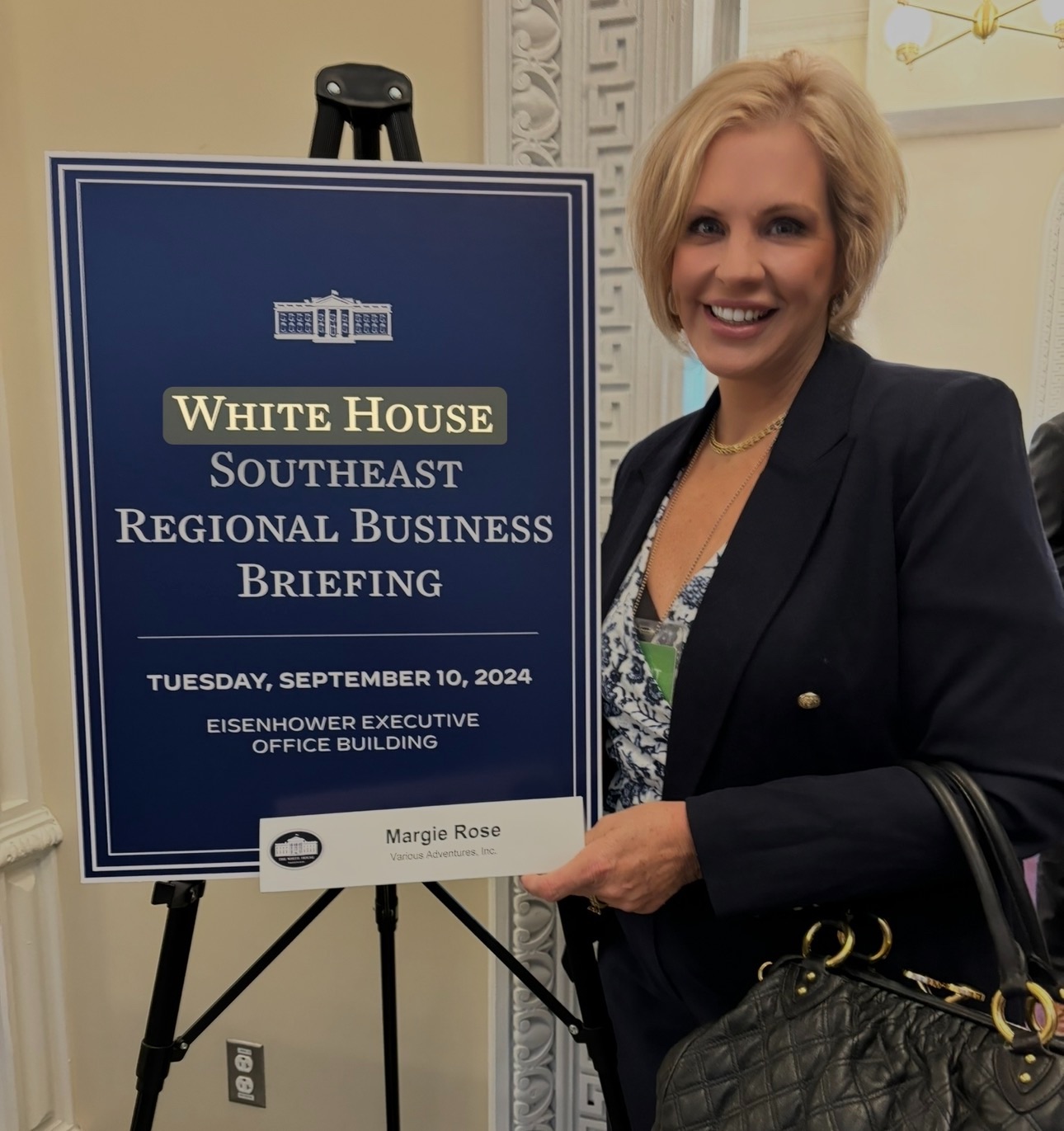
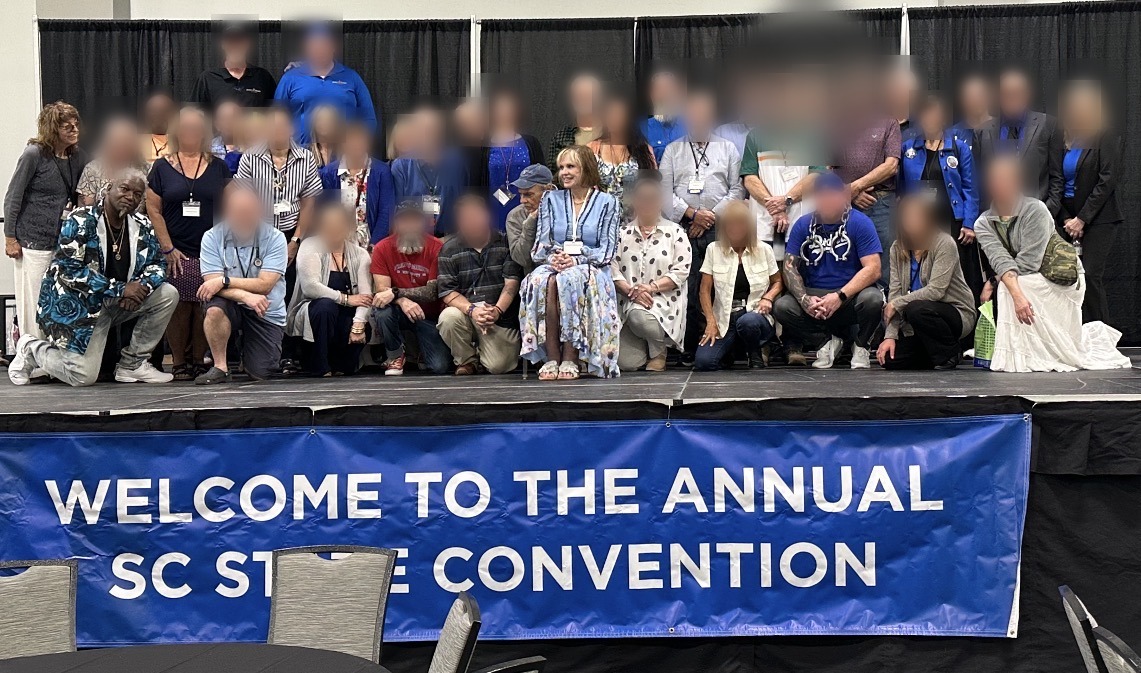
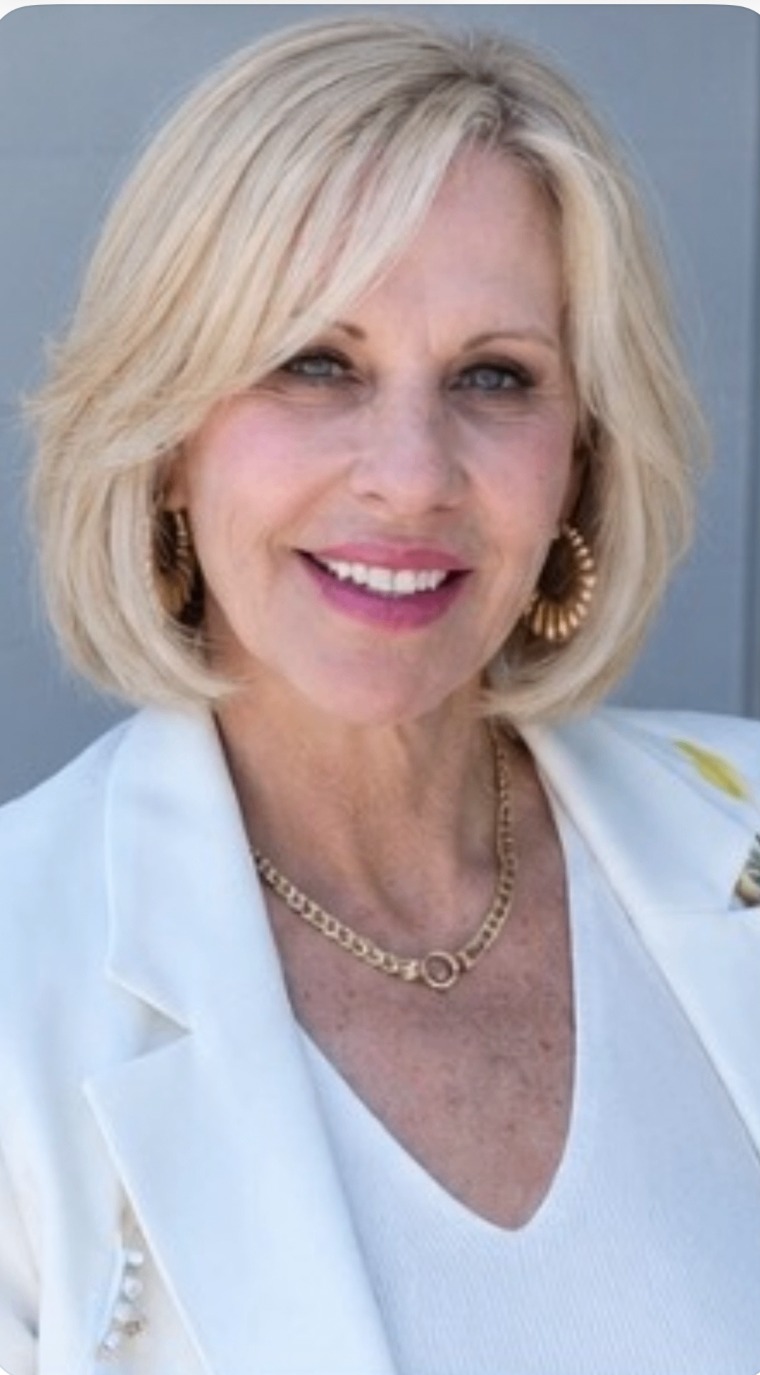
Margie Rose · Founder
Addiction is a generational disease, and it found me. I tried rehab after rehab. Nothing worked. I had reached a place where I could no longer make decisions for myself, and I believed I was one of those hopeless people who would never get sober.
On September 28, 1997, that changed. I have been sober ever since — 28 years of recovery and continuous service inside rehabs, halfway houses, and the broader recovery community.
After 28 years, I know clearly what works and what does not. A 30-day behavior-modification program does not heal a disease of body, mind, and spirit. It takes time. It takes community. It takes another addict who has been there. New Freedom Village is the program I know will work — it is everything I wish had existed for me.
We own it. The first New Freedom Village is a historic brick-and-stone church built in 1906 — four floors, on the corner of S. Chestnut and W. Pike in downtown Clarksburg, West Virginia. We are renovating it into a 50-bed long-term recovery community.
The building is purchased and in our hands. Now the work is renovation — and then the first cohort of residents walking through the door.
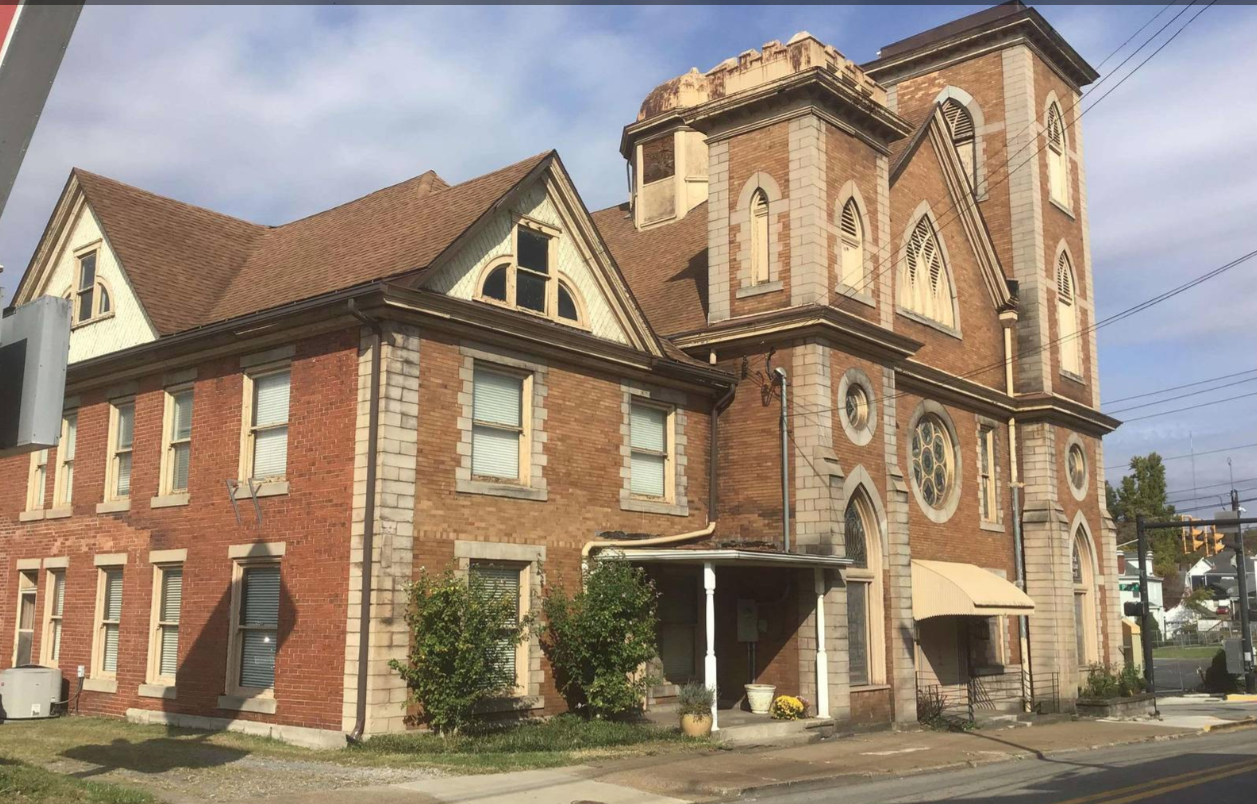
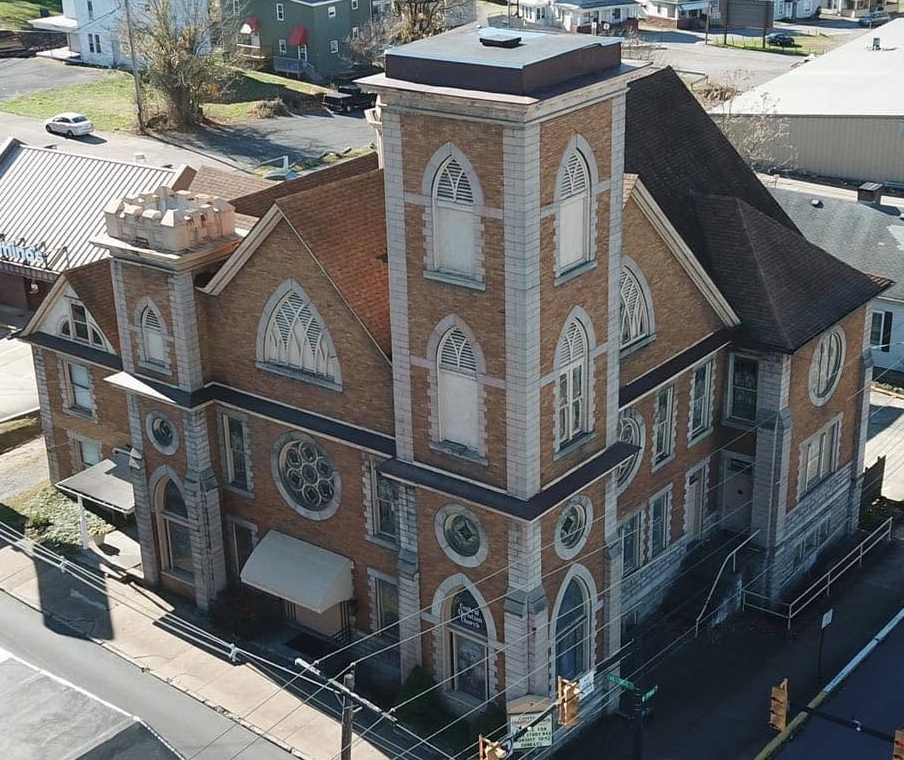
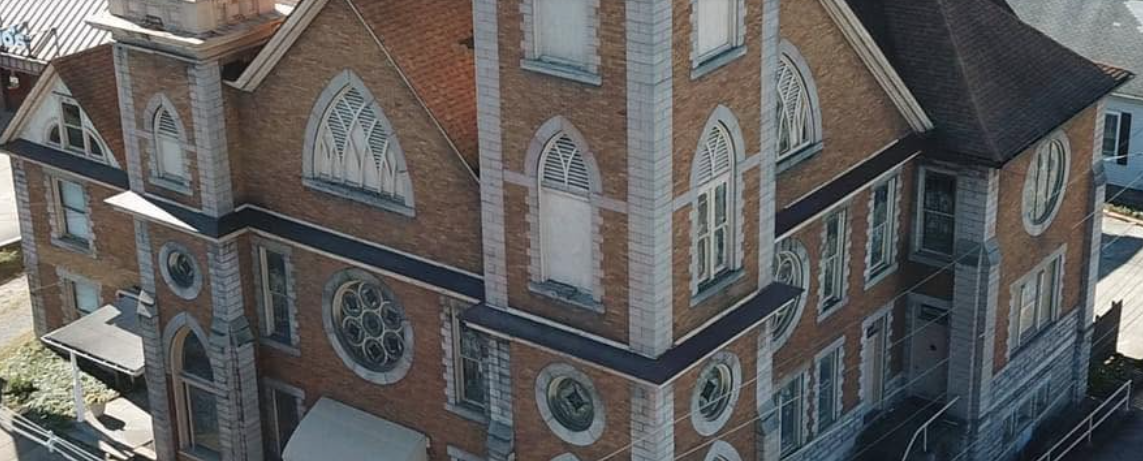
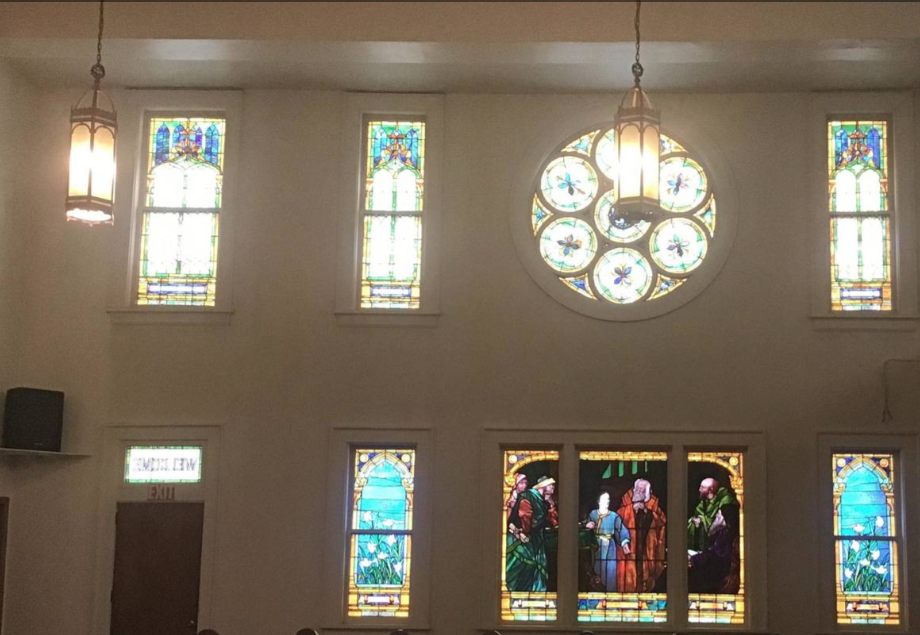
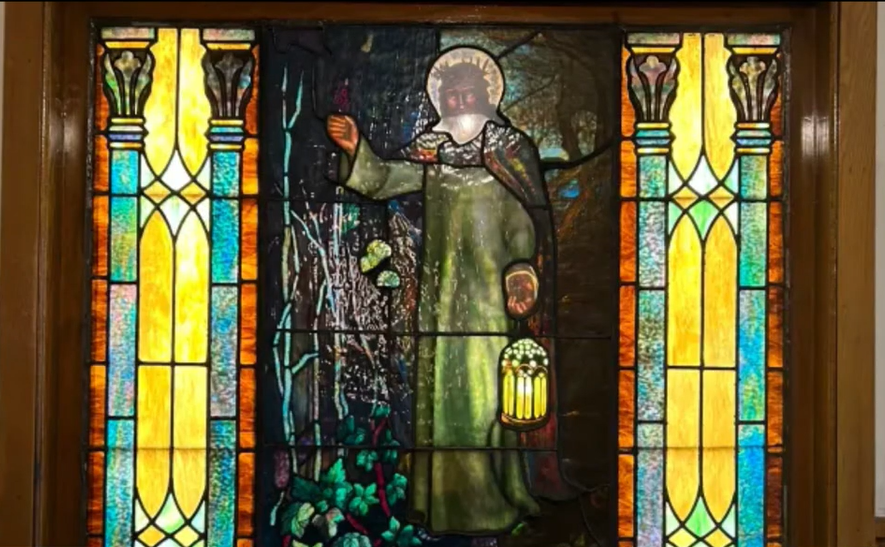
A clear, honest picture of what it takes to turn a 1906 church into a home for men in long-term recovery — and to welcome our first residents through the door.
The historic 1906 church at 114 S Chestnut Street in downtown Clarksburg has been purchased by New Freedom Village.
Convert the four floors into a safe, welcoming, code-compliant 50-bed long-term recovery community.
Everything needed to turn the building into a home: furniture, bedding, kitchen, clothing, and food for our first cohort.
A modest reserve for cost overruns and our first months of operation before per-resident sponsorships stabilize.
Every gift — large or small — brings a man one step closer to freedom.
Pick a level that feels right. Every dollar turns into food on the table, a bed to sleep in, or a fresh start for a new resident.
Groceries and household basics for the house.
Give $50 →Sheets, towels, toiletries, and a Bible for someone walking through the door for the first time.
Give $150 →Bed, dresser, lamp, and nightstand — a private space to begin again.
Give $500 →Housing, meals, and recovery programming for someone rebuilding their life with us.
Give $1,800 →Secure online giving through Square — one-time or any amount. Every gift goes directly toward opening our doors.
Donate securely →Prefer to send something tangible? Our Amazon Wish List has the bedding, kitchenware, and supplies we need most — shipped straight to the house.
Wish list — coming soon
Point your camera at the QR code to open our secure Square donation page. Great for printed flyers, bulletin inserts, and in-person events.
Download QR code →Prefer to give by check or talk with us directly? Email margie@newfreedomvillage.org.
North-central West Virginia is one of the hardest-hit corners of the overdose crisis in the country — and it is dramatically underserved for long-term recovery beds. Clarksburg is where the need, the building, and the founder all line up.
West Virginia has among the highest overdose death rates in the United States, and north-central WV is critically short on long-term recovery housing. Most options stop at 30 days. We're building for 1–2 years.
Clarksburg sits at the I-79 and US-50 junction — accessible from Morgantown, Fairmont, Bridgeport, Parkersburg, and beyond. One campus can serve the whole region.
A four-story, 1906 brick-and-stone church on a downtown corner, walkable to courts, services, and transit. We own it outright. Inventory like this does not come up twice.
Clarksburg's downtown is in active revitalization, with a local recovery ecosystem of meetings, fellowships, and providers to partner with from day one.
"Clarksburg isn't a pin on a map for me. I ran my store, Inspired By Angels, at the Meadowbrook Mall here for years, and the city sits right between my daughters in Morgantown and Salem. This community has my heart."
Specifically: a 1906 brick-and-stone church on S. Chestnut Street in downtown Clarksburg, West Virginia — our first 50-bed home.
We are actively seeking grants and partners to fund housing, therapy, job training, and the first cohort of residents. Every dollar funds a person becoming an accountable, contributing adult.